Muslera's Blunder Ends Uruguay's World Cup Dream
Sat, 27th Jun, 2026
Muslera's Catastrophic Error Seals Uruguay's Fate
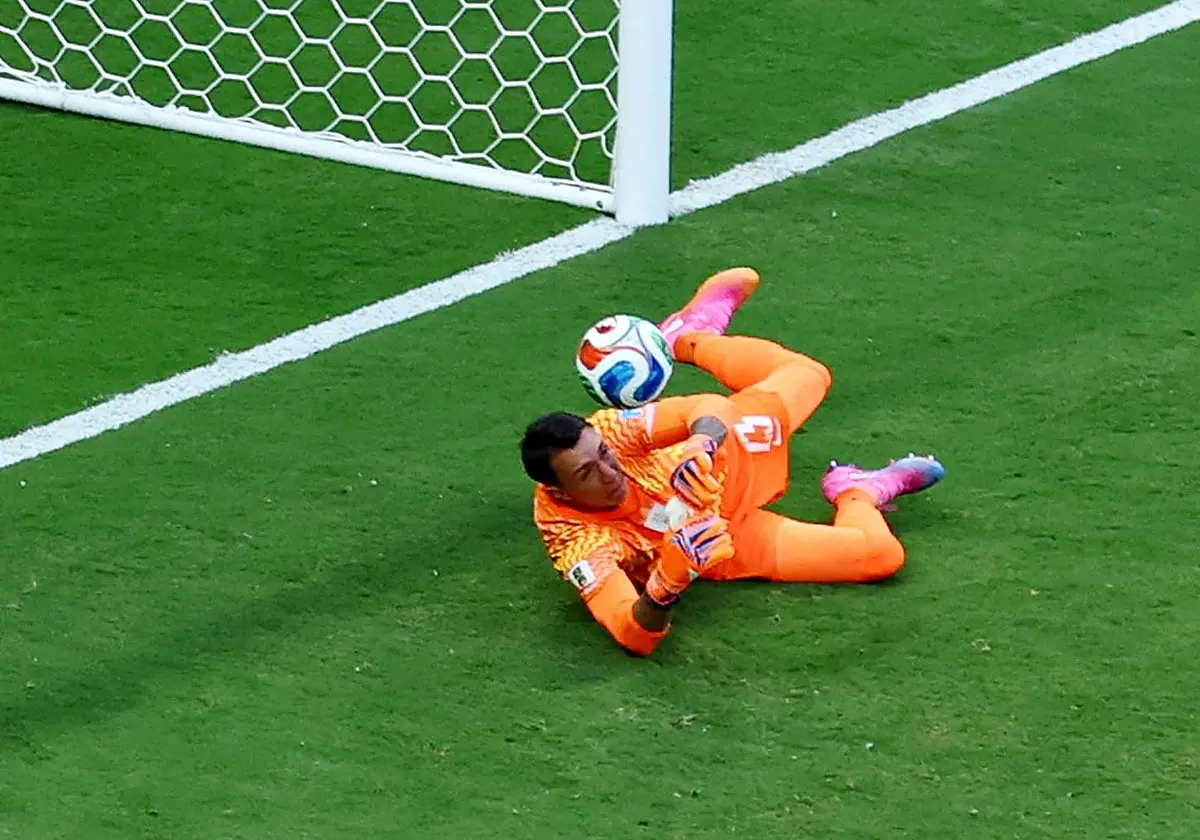
Fernando Muslera will want to forget this evening quickly. The veteran Uruguay goalkeeper produced a moment of shockingly poor judgment that proved decisive as Spain emerged victorious with a 1-0 win in a match that effectively ended Marcelo Bielsa's World Cup tenure in the group stage. This wasn't just any mistake. This was the kind of error that haunts a player's career, the sort of lapse that defines tournaments and leaves supporters questioning how such a fundamental piece of the setup could unravel so dramatically.
Alex Baena was the beneficiary of Muslera's generosity, the Spanish midfielder capitalizing on an opportunity that should never have been afforded to him. When you're competing at the highest level of international football, you cannot gift your opponents clear-cut chances. It's a fundamental principle that every coach drills into their players from the moment they step onto the training ground. Yet here was Muslera, a goalkeeper with decades of experience at the highest level, handing Spain the gift they needed to progress.
The Collapse of Bielsa's Ambitions
This result represents a spectacular implosion for Uruguay. Arriving in Qatar with genuine aspirations of making a deep tournament run, Bielsa's squad instead finds itself packing its bags after the group stage. Playing with ten men for significant periods didn't help their cause, but that's hardly an excuse for such a disappointing campaign. The South American giants came to this World Cup with a rich history of previous tournament success, yet they've exited without the kind of memorable performances that their tradition demands.
Bielsa, the legendary manager known for his meticulous preparation and tactical intensity, couldn't overcome the obstacles placed before his team. Some of it was circumstance. Some of it was the quality of opposition Spain possesses. But a goalkeeper error of this magnitude at a crucial moment transcends tactical setup or playing numbers. It speaks to a team that perhaps wasn't mentally switched on when it mattered most.
Spain's Clinical Finishing
Spain wasn't the team that dominated proceedings throughout the entire match. They're a more controlled, measured outfit these days under their current management. They don't dazzle with breathtaking attacking football every single moment. Instead, they maintain possession, they probe methodically, and they wait for opponents to make mistakes. This approach requires patience from their supporters, but it's effective. When you're playing at this level, converting the chances you create, no matter how few, is what separates the sides that progress from those that don't.
Baena's finish was straightforward enough once the opportunity fell to him. There's no critique of his composure or clinical nature. The problem, entirely and unequivocally, was what happened before the shot came. A goalkeeper at this level should never allow such a situation to develop. The positioning was poor. The decision-making was questionable. Muslera's experience should have told him this wasn't the moment for adventurousness.
Uruguay's Frustrating Campaign
For a country with the tradition that Uruguay possesses, crashing out at the group stage feels almost unthinkable. They've won the World Cup twice before. They've produced some of the greatest players and most entertaining football the game has ever seen. Yet this generation finds itself watching the tournament continue without them, victims of their own mistakes and the clinical nature of their Spanish opposition.
The numerical disadvantage didn't help their cause, there's no denying that. Attempting to compete with ten men against one of Europe's most technically sound teams is an uphill battle. But Uruguay had opportunities before Muslera's lapse. They had moments where they could have etched themselves into the match differently. The fact that it came down to a goalkeeper error rather than a moment of Spanish brilliance is particularly galling for Bielsa and his players.
The Weight of One Goal
In knockout football and crucial group stage matches like this, one goal is sufficient. That's the reality of this sport at the international level. Spain didn't need to score three or four. They needed one, and they got it, thanks to Muslera's misjudgment. It's a harsh lesson but one that every player learns at some point in their career.
This match will be remembered as a turning point in this World Cup cycle for both nations. Spain progresses with momentum and evidence that their system functions at tournament football. Uruguay departs with questions about their preparation, their mental resilience, and their goalkeeper's ability to handle pressure situations at this stage of the competition.
Looking Ahead
For Bielsa, this represents a significant setback. The Argentine manager took the Uruguay job with clear objectives and expectations. Delivering World Cup progression isn't optional for a nation with their pedigree. He'll face scrutiny and questions about his tenure going forward. Whether he remains in charge or whether the Uruguayan football association seeks a different direction remains to be seen.
Muslera, meanwhile, carries the weight of this moment. He'll need to move past it mentally and professionally. Football has a way of testing character, and how a player responds to significant errors often defines their legacy. The path forward for both men now depends on how they process this disappointing evening in Qatar.
For Spain, the satisfaction of progress masks some of their own shortcomings in this match. They benefited from fortune more than they dominated, but you take victories how they come. In tournament football, there's no style points for elegant defeats. Spain advances, Uruguay goes home, and Muslera's mistake remains the decisive moment of a match that cost a proud nation dearly.